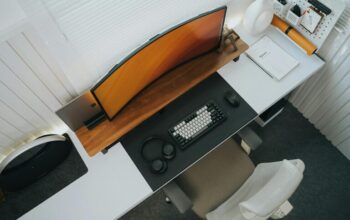
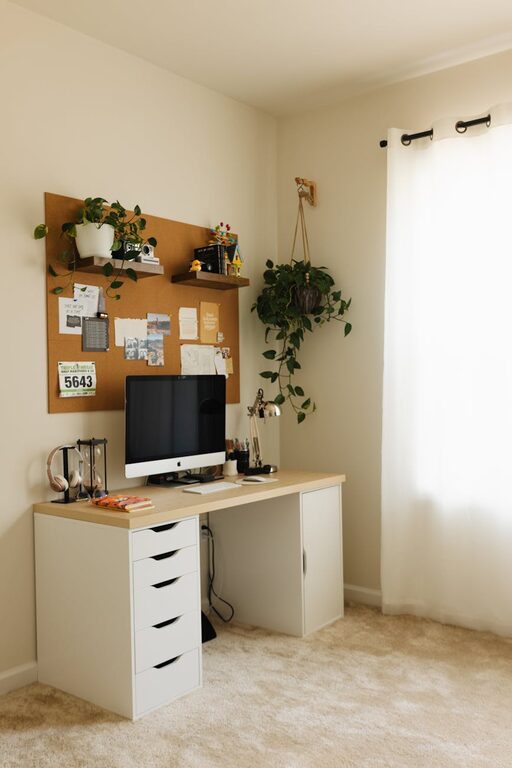
Creating a home office that is both cozy and productive can make a significant difference in your work-from-home experience. Whether you are a full-time remote worker or occasionally work from home, having a dedicated space designed to support your focus and comfort can improve your efficiency and well-being.
In this post, we’ll explore practical tips for setting up a home office that feels inviting and helps you stay on track with your tasks.
Choose the Right Location
Selecting the proper spot for your home office is the foundation for a productive workspace.
– Quiet and Low-Traffic Area: Ideally, pick a spot away from household noise and distractions. A nook in a spare room or a corner in a quiet part of your home can work well.
– Natural Light: A space near a window provides natural light, which boosts mood and focus. Avoid glare on your screen by positioning your desk perpendicular to the window.
– Consider Space Needs: Ensure there is enough room for your desk, chair, and any storage or equipment you require.
Invest in Comfortable and Functional Furniture
Your furniture plays a big role in how comfortable and efficient your workspace is.
Desk
– Choose a desk size that fits your workflow without clutter.
– Standing desks or adjustable desks allow for changing your posture throughout the day.
– Keep your desk surface clean and organized.
Chair
– Select an ergonomic chair that supports your back and promotes good posture.
– Adjustable height and lumbar support are important features.
– Consider a chair with comfortable cushioning since you’ll spend long hours seated.
Optimize Lighting for Comfort and Focus
Good lighting reduces eye strain and keeps you alert.
– Use a combination of natural light and quality artificial lighting.
– A desk lamp with adjustable brightness and color temperature can help focus on detailed tasks.
– Avoid harsh overhead lighting or direct light shining into your eyes or computer screen.
Organize Your Space to Minimize Distractions
A clutter-free workspace helps maintain concentration.
– Use shelves, drawers, and organizers to keep documents and supplies tidy.
– Keep only everyday essentials on your desk.
– Cable management tools prevent cords from tangling and creating a messy look.
– Consider adding a bulletin board or whiteboard to keep important notes visible without cluttering your desk.
Personalize Your Workspace for a Cozy Feeling
Adding touches that reflect your personality can make your home office inviting.
– Decorate with plants to bring in warmth and improve air quality.
– Use artwork or photos that inspire you.
– Choose calming colors for walls and accessories—soft blues, greens, or neutrals are popular.
– A cozy rug can add comfort, especially if you work on a hard floor.
Include Technology That Supports Your Work
Having the right tech can reduce frustration and boost productivity.
– Make sure your computer and peripherals (keyboard, mouse, monitor) are ergonomic and reliable.
– Consider using noise-cancelling headphones if your environment can be noisy.
– High-speed internet is crucial for video calls and cloud-based work.
– Keep cables and chargers organized and within easy reach.
Set Boundaries and Routines
A dedicated workspace helps separate work from personal life.
– Use your home office only for work during work hours to create mental separation.
– Establish a daily routine that includes breaks and time away from your desk.
– Close your office door or signal when you don’t want to be disturbed.
Maintain Your Workspace Regularly
Consistency is key to sustaining a pleasant and efficient office.
– Take a few minutes at the end of each day to tidy your desk.
– Regularly update files and discard unnecessary papers.
– Clean your equipment, keyboard, and screens to keep them in good condition.
Final Thoughts
Creating a cozy and productive home office space doesn’t require a total renovation. Small improvements tailored to your needs can elevate your comfort and focus. By choosing the right location, investing in ergonomic furniture, adding personal touches, and organizing your space, you set yourself up for better workdays at home.
Remember to listen to your body’s needs and adjust your space as you go. A well-designed home office supports not just your tasks, but your overall well-being.