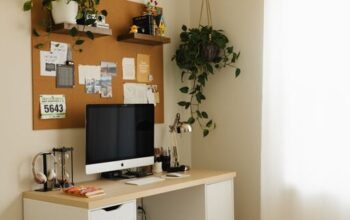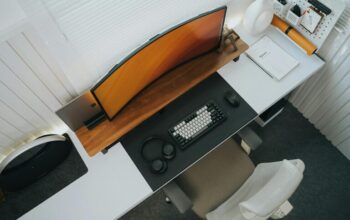
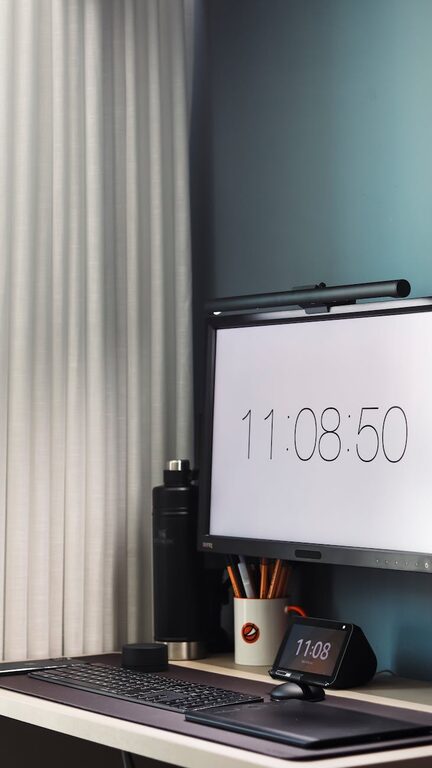
Creating an organized and comfortable home office can transform your workday. A well-arranged workspace not only boosts productivity but also helps reduce stress and maintain focus. If you’re struggling with clutter or feel distracted in your current setup, this guide offers simple, actionable tips to optimize your home office environment.
Why Organizing Your Home Office Matters
When your work area is tidy and thoughtfully arranged, it becomes easier to find what you need and stay on task. Disorganization can cause unnecessary frustration and waste valuable time. On the other hand, an organized space promotes a calm, efficient atmosphere where creativity and concentration thrive.
1. Choose the Right Location
Start by selecting a location that suits your work style and needs. Ideally, your home office should be:
– Quiet and free from distractions
– Near natural light to improve mood and energy
– Spacious enough for your equipment and supplies
If you have limited space, try to dedicate a specific corner or a nook for your office, making it distinct from relaxation areas.
2. Invest in Functional Furniture
Comfort is key to staying productive during long work hours. Consider the following when setting up your office furniture:
– Ergonomic chair: Supports your posture and reduces strain
– Adjustable desk or sufficient surface space: Fits your work needs
– Storage units: Shelves, drawers, or filing cabinets to organize materials
Choosing furniture pieces that fit your room size and allow easy movement will create a pleasant work environment.
3. Declutter Regularly
A clutter-free desk and office help clear your mind. Make decluttering a weekly habit by:
– Removing unnecessary papers and items
– Sorting through mail and documents immediately
– Keeping only essential tools and gadgets within reach
Using containers or trays can help keep small items tidy and prevent clutter buildup.
4. Organize Supplies and Equipment
Keep your frequently used items accessible but organized to save time and minimize distractions.
– Use drawer dividers or small boxes to separate supplies like pens, staples, and paperclips
– Label files and folders clearly for quick retrieval
– Store tech accessories (chargers, USB drives) in designated spots
Organizing your tools efficiently means fewer interruptions and more focus on work.
5. Maximize Lighting
Proper lighting reduces eye strain and improves alertness. Tips to enhance lighting:
– Position your desk near a window for natural light
– Use adjustable desk lamps to focus light where needed
– Choose bulbs with a daylight or soft white color temperature
Avoid glare on your computer screen by arranging lights and monitors thoughtfully.
6. Personalize Thoughtfully
Add touches that make your space inviting but avoid overdecorating, which can distract you. Try:
– A few plants to improve air quality and add greenery
– Inspirational prints or artwork at eye level
– A comfortable rug or cushions for warmth
Personalizing your space helps maintain motivation and comfort without overwhelming the area.
7. Manage Cables and Technology
Tangled cords can look messy and create hazards. Keep cables neat by:
– Using cable organizers or clips to secure wires
– Routing cables behind furniture
– Minimizing the number of devices connected at once
Also, keep your devices updated and workspace tech-friendly to avoid technical issues during work.
8. Create Zones for Different Tasks
If your space allows, designate areas for specific activities, such as:
– A computer work zone
– A writing or brainstorming space with a whiteboard or notepad
– A reference area for books and files
Zoning your office helps your brain switch tasks efficiently and keeps things organized.
9. Establish Daily Routines for Tidiness
End each workday with a quick 5-10 minute cleanup. Simple acts include:
– Putting papers back in files
– Clearing your desk surface
– Setting up your materials for the next day
This routine prevents clutter accumulation and makes starting work easier every morning.
Final Thoughts
Organizing your home office doesn’t need to be overwhelming. By choosing the right location, investing in functional furniture, and keeping things tidy, you create an inviting space where productivity and comfort go hand in hand. Consistency is key—regular routines and mindful organization will help you enjoy a more focused, efficient workday at home.
Start with small changes today and watch how your workspace—and work habits—improve!